The Hellenic nation is actively working toward a greener future by integrating innovative policies that promote environmental balance and responsible development. The Mediterranean nation has set ambitious targets to align with global environmental frameworks by 2030. This involves a comprehensive approach encompassing energy reform, eco-conscious tourism, and the integration of artificial intelligence (AI) to foster environmental stewardship.
Key Takeaways:
Mediterranean nation targets 35% renewable energy by 2030, prioritizing green innovation and cultural preservation.
AI-driven coastal management and eco-certified tourism protect biodiversity while boosting responsible travel.
Urban waste and emissions remain challenges, countered by grassroots green spaces and restored ancient water systems.
Ethical tech startups blend tradition with efficiency, positioning the region as a leader in scalable eco-solutions.
Progress Toward Global Environmental Targets
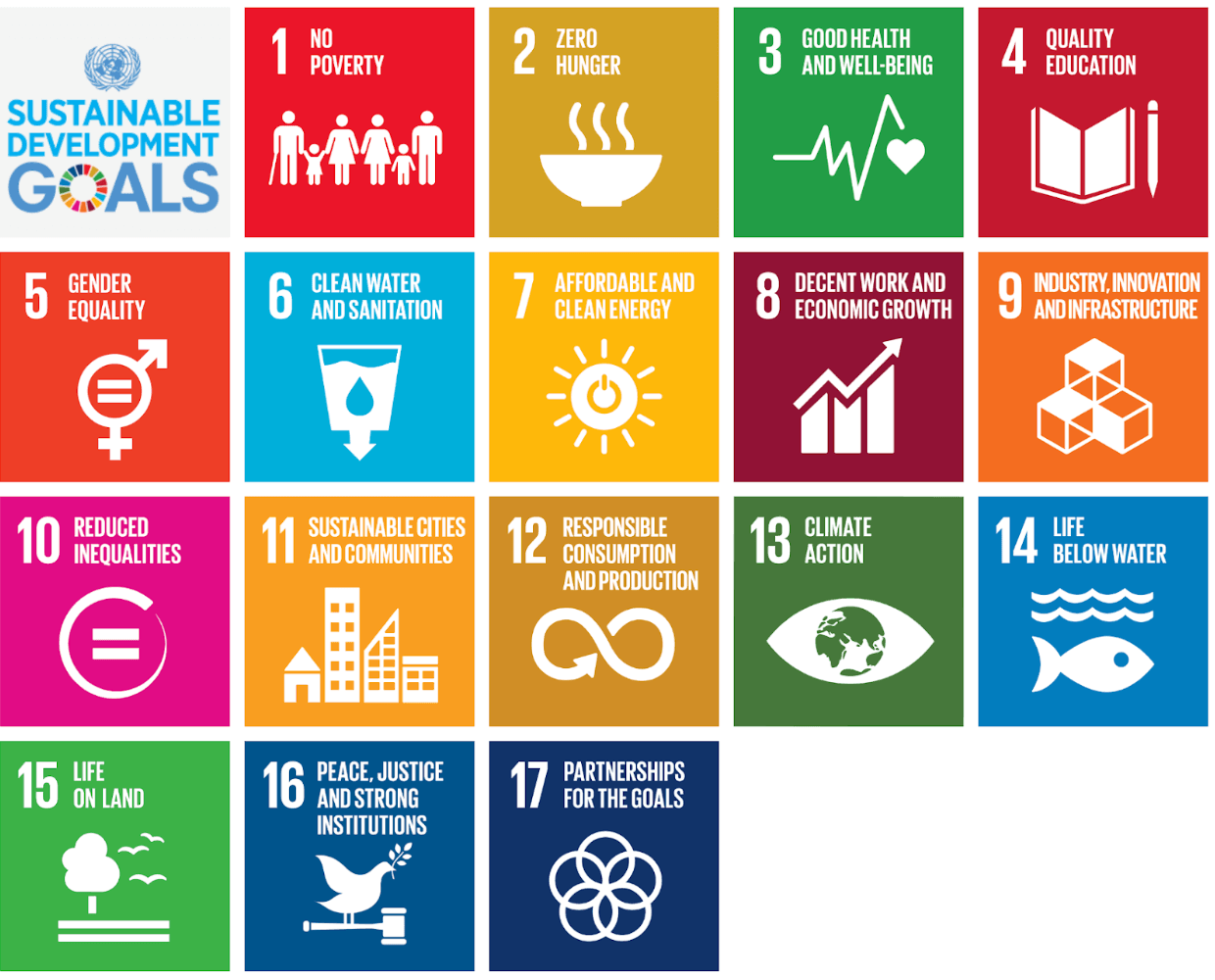
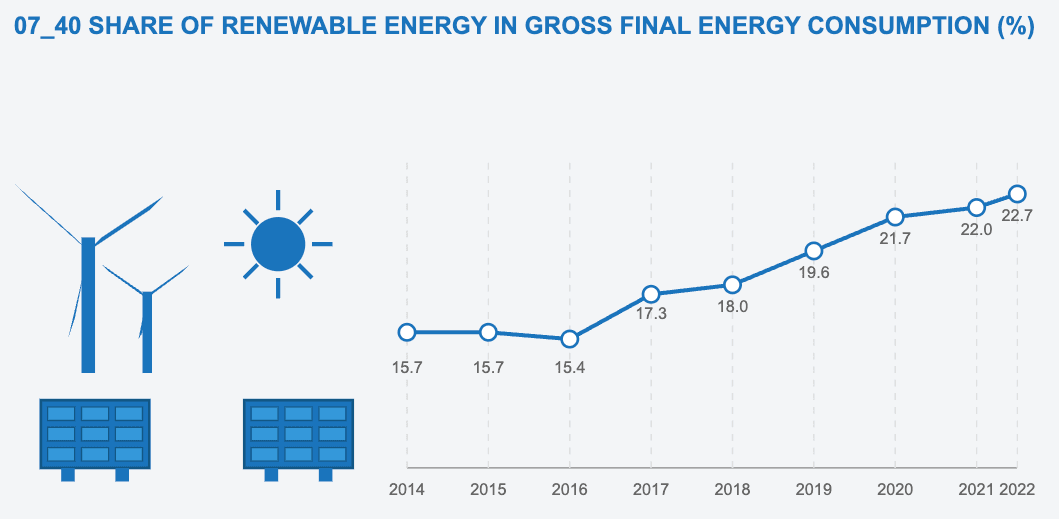
The Hellenic nation's approach to responsible growth aligns with international goals, ensuring economic progress does not compromise ecological integrity. The United Nations’ 17-part agenda for equitable growth and planetary health has guided national policies here. Recent reports highlight advancements in clean energy adoption, with renewable sources now accounting for over 35% of electricity production. Key priorities include renewable energy investments, waste reduction programs, and urban eco-friendly initiatives aimed at fostering a more balanced and resource-efficient society.
 Source: United Nations
Eco-Conscious Travel in the Mediterranean
Tourism, a cornerstone of the economy, is undergoing a transformative shift. The 2024 Coastal Development Law introduces stricter regulations to protect natural habitats, particularly in designated conservation zones. Green tourism practices focus on preserving natural landscapes, reducing carbon footprints, and promoting local communities. Moreover, the nation's commitment to a circular economy promotes eco-friendly tourism by encouraging practices like waste reduction, resource efficiency, and the reuse of materials, thereby minimising environmental impact.
 Source: ELSTAT
Is Greece a Sustainable Country?
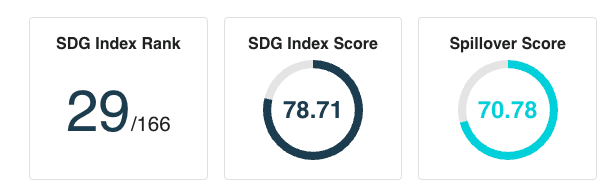
While strides in solar energy and eco-tourism are commendable, critics highlight gaps in waste management and industrial emissions. The updated National Energy and Climate Plan sets an ambitious target of achieving 82% renewable electricity generation by 2030, a significant increase from the previous goal of 66%. Urban centres like Athens struggle with air quality, yet grassroots movements advocating for green spaces and cycling infrastructure are gaining momentum. However, challenges remain. The 2024 Sustainable Development Report ranks the nation 29th out of 166 countries, indicating room for improvement in areas such as clean energy access and eco-friendly urban development.
 Source: OECD
AI-Driven Innovations for a Greener Future
Researchers recently created a smart-AI algorithm to optimise beach cleanliness without disrupting visitor experiences. Beyond coastal management, machine learning models predict wildfire risks, enabling faster emergency responses. Artificial intelligence is revolutionising green solutions by optimising energy consumption, improving waste management, and supporting conservation efforts. Startups are also developing platforms to optimise energy use in historic buildings, blending tradition with efficiency. Furthermore, the adoption of AI in monitoring and enforcing environmental regulations enhances the effectiveness of conservation efforts, ensuring that natural resources are managed responsibly.
Greece's Path to a More Sustainable Future
The country's commitment to green development is transforming its economic landscape in 2025, pioneering innovative solutions that balance growth with environmental stewardship. As Mediterranean nations tackle climate challenges, the country emerges as a leader in renewable energy adoption, eco-friendly tourism practices, and green infrastructure advancements. With €30.5 billion allocated to eco-friendly initiatives through the EU Recovery Fund, this comprehensive analysis explores how the Hellenic green strategy is reshaping urban planning, island conservation, and economic opportunities while advancing United Nations Sustainable Development Goals.
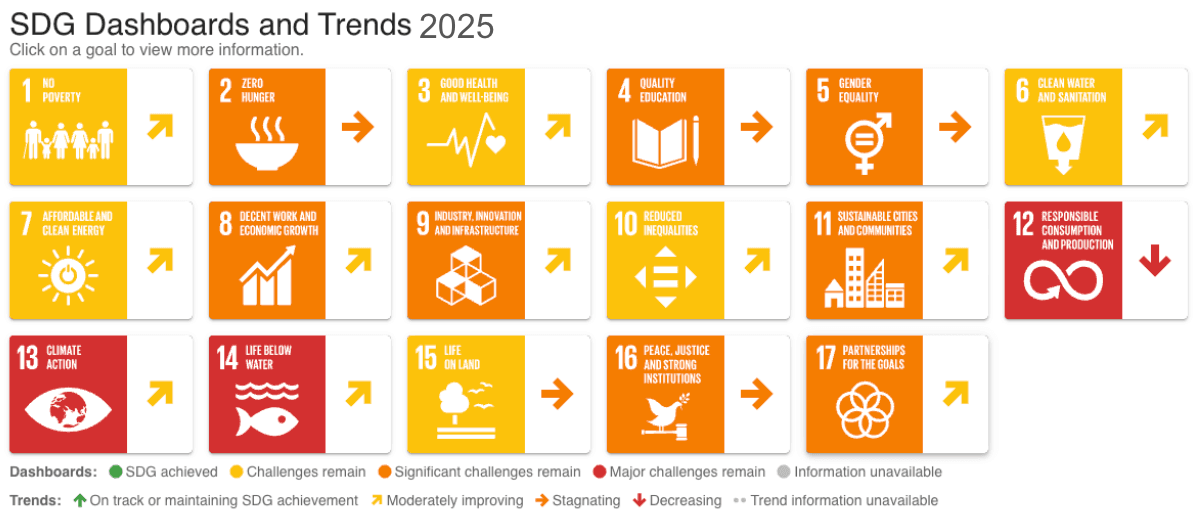 Source: OECD
Final Thoughts
The Hellenic nation is steadily advancing toward its 2030 environmental agenda through coordinated governance, innovative technology, and a growing emphasis on eco-conscious tourism and renewable energy. Through eco-friendly tourism, conservation programs, and AI-driven solutions, the Hellenic nation is demonstrating its commitment to environmental stewardship. With continued policy refinement, cross-sector collaboration, and community engagement, the country is on a credible path toward building a more resource-efficient, climate-conscious future. While challenges remain, ongoing initiatives reflect a dedication to balanced growth, ensuring long-term environmental safeguarding for future generations.
FAQs
What does Greece do for sustainability?
The country focuses on renewable energy, marine conservation, circular economy reforms, and eco-tourism. The country also promotes recycling and bans on single-use plastics.
What are the 5 environmental development pillars in Greece?
The country emphasises renewable energy, environmental protection, social equity, cultural heritage preservation, and institutional resilience.
Which country is No. 1 in eco-friendly development?
Globally, Finland ranks first in green development, excelling in renewable energy and social equality. The country is making notable progress, particularly in renewable energy and marine conservation.