This comprehensive investment guide explores essential factors for making informed decisions in the country's' dynamic estate market—from thriving metropolitan areas to sought-after island destinations. Investing in assets offers a compelling opportunity in 2025, combining market stability, competitive pricing, and investor-friendly policies.
With steady economic growth and advantages like the Golden Visa program, the Hellenic Republic continues to attract international equity investors seeking both value and returns. Whether you're considering residential flats, holiday homes, or commercial estate, understanding the housing market is key to maximising your investment potential.
Key Takeaways:
The country's stable economy, attractive asset prices, and the Golden Visa program make it an excellent destination for investment transactions.
Prime locations include Athens, Piraeus, Thessaloniki, and the islands, each offering distinct advantages for investors.
Address potential challenges, such as bureaucratic delays and hidden costs, with thorough research and expert guidance.
Focus on high-demand areas and sustainable properties to maximise your returns.
Why Invest in Greek Property 2025?
Investing in estate in 2025 presents compelling opportunities as the market enters a strong growth phase. With tourism numbers reaching record levels and home prices still 20-30% below other Mediterranean destinations, offering exceptional value for international investors. The country's investor-friendly policies, including the Golden Visa program and tax incentives for apartment purchases, create an attractive venture environment. Strategic locations across Athens, Thessaloniki, and premium island destinations deliver robust rental yields of 5-7% annually, while coastal properties show consistent capital appreciation. The country's strengthening economy, infrastructure developments, and growing digital nomad community further enhance the market's long-term investment potential.
Stable Economic Growth
The country's robust economic performance, with projected GDP growth of 2.5% in 2025, signals a mature phase in its economic renaissance. The country's transformation from economic recovery to sustainable growth is evidenced by strong foreign direct investment, rising consumer confidence, and expanding housing valuations. Key economic indicators, including declining unemployment rates, growing export sectors, and digital infrastructure contributions, underscore the country’s emergence as a stable Mediterranean economic hub. This sustained economic momentum, backed by EU support and strategic development initiatives, creates an ideal environment for equity investors seeking long-term value in a growing market.
Affordable Property Prices
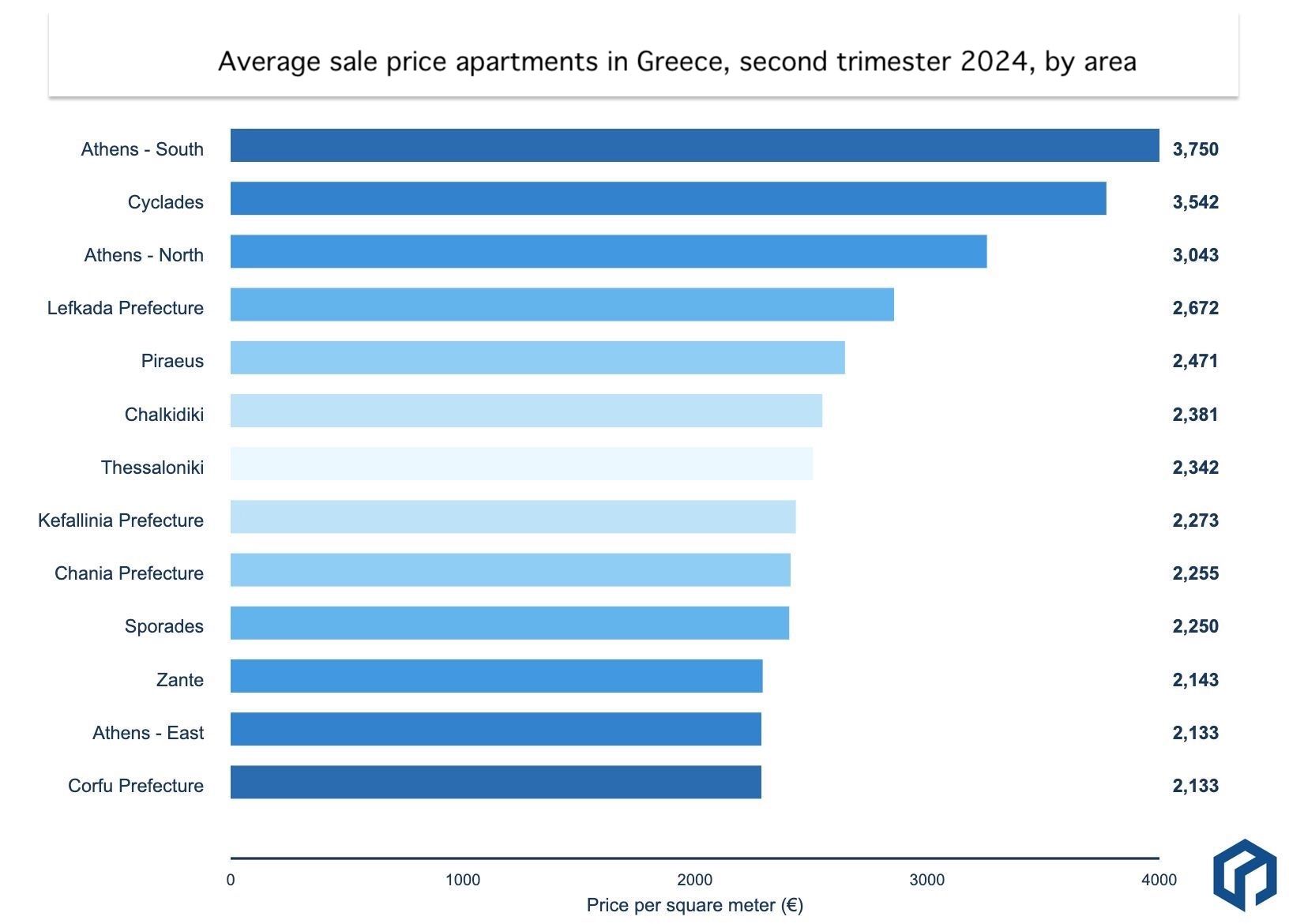
The Mediterranean nation stands out for its exceptional value proposition in the European market. Prime locations in Athens command average rates of €3,450 per square meter in 2025, significantly below comparable Mediterranean capitals like Barcelona (€6,500) or Nice (€7,200). This competitive pricing, combined with high construction standards and modern amenities, attracts both entry-level buyers and seasoned investors. Urban centres like Thessaloniki and emerging island markets offer even more attractive price points, allowing investors to acquire premium flats at a fraction of other European coastal destinations.
The Golden Visa Program
The Golden Visa program provides a unique advantage for non-EU citizens. By investing a minimum of €250,000 in the housing market, investors gain residency rights within the country and access to the wider EU. As of the end of 2024, more than 10,000 Golden Visas have been issued since the beginning of the program, underscoring the initiative’s appeal.
Best Locations for Investing in Greek Property
Depending on the type of asset that you are interested in, the country offers a huge variety of investments, in the big cities, such as Athens, Piraeus and Thessaloniki, and in the world-renowned islands like Mykonos, Crete and Rhodes as well.
Athens: The Capital Advantage
Why Athens? As the capital, Athens combines historic charm with modern amenities, creating a high-demand rental market.
Market Appeal: The city attracts tourists, students, and locals, ensuring strong and consistent demand for homes.
Piraeus: The Thriving Port City
Why Piraeus? Being the largest port and a key hub for international trade, Piraeus is undergoing significant redevelopment, offering exciting opportunities for investors.
Thessaloniki: Rising Star in the North
Why Thessaloniki? Being the second-largest city is gaining attention for its vibrant cultural scene and expanding infrastructure.
Rental Yields: Properties here offer attractive returns, with average yields between 4% and 6% annually.
The Islands: A Slice of Paradise
Mykonos: Known for its luxury tourism market, this island offers high-end properties with excellent rental potential.
Crete: Offers options for every budget, from affordable apartments to luxury villas, backed by a thriving tourism sector that contributes 21% to the island’s internal economy.
Rhodes: Renowned for its historical landmarks and idyllic beaches, Rhodes enjoys high vacation rental occupancy rates exceeding 69% during peak seasons.
Types of Properties Worth Considering
Serviced apartments
Fully furnished, self-contained accommodations available for short-term or long-term bookings. Many also offer hotel-style amenities like gyms, pools, and 24-hour receptions.
Vacation Homes
Mykonos, Crete, and Rhodes are perfect for those looking to blend personal enjoyment with rental income.
Residential Rentals
Cities like Athens and Thessaloniki are ideal for long-term rentals, providing stable income streams due to ongoing demand.
Commercial Properties (In 2023, average rental yields for office flats ranged between 6.25% and 6% in Athens and Thessaloniki), indicating strong investment potential.
Investors looking for higher returns may find lucrative opportunities in commercial properties located in urban centres and high-traffic areas.
The process of investing in Greek Property
The path to acquiring estate in the Mediterranean begins with asset selection and comprehensive due diligence. International buyers first secure a tax registration number (AFM) through a straightforward application process. A certified local attorney then verifies clean ownership titles and handles legal documentation. The purchase journey typically spans 4-6 weeks, including house inspection, contract preparation, and notary services. Buyers should anticipate a 3% transfer tax, along with registration fees at the Land Registry (Ktimatologio). Modern digital systems now streamline much of this process, while professional support ensures compliance with local regulations and smooth completion of the transaction.
Property Ownership Taxes and Fees in Greece
Understanding the tax landscape is crucial for maximising returns on Mediterranean housing transactions. From annual taxes to rental income obligations, here's a comprehensive breakdown of the financial commitments investors should anticipate.
Legal Framework
Law mandates that buyers work with both a lawyer and a notary to complete ownership transactions. Ensure all paperwork, including title deeds and tax compliance, is meticulously verified.
Understanding Estate Taxes
House ownership related taxes include transfer tax, annual estate tax, and capital gains tax. A clear understanding of these costs will help you budget more effectively.
Property Condition
Always conduct a professional inspection to uncover any potential maintenance issues or hidden problems, saving you from costly surprises down the line.
Pitfalls of buying property in Greece
The housing process can be slow due to administrative red tape. One should mitigate delays by working with experienced legal and housing professionals. Moreover, a potential investor has to take into account that highly sought-after areas like Mykonos or Santorini often have inflated housing prices, potentially lowering the return on investment. Lastly, we have to take into account the hidden costs, such as unexpected maintenance fees or legal disputes that make proper due diligence non-negotiable.
Bureaucratic Delays
Hidden Costs
Overcrowded Markets
Strategies to Maximise Your Investment
Research the Market
Gain a deep understanding of local market trends. For example, while Santorini is a premium destination, Crete often provides better value and growth potential.
Prioritise Sustainability
Properties with energy-efficient designs and eco-friendly features are increasingly in demand. These opportunities not only align with global trends but may also enhance long-term home values.
Work With Local Experts
Collaborating with reliable agents, lawyers, and financial advisors ensures smoother transactions and a more secure investment process.
Frequently Asked Questions
Is buying a house in Greece a good investment?
Yes, combining affordability, strong rental yields, and the Golden Visa program, making it an attractive option for investors. However, success depends on thorough research and expert guidance.
What are the rental yields like in Greece?
As of the fourth quarter of 2024, the average gross rental yield across the country is approximately 4.73%. However, there are some high turnover home purchasing opportunities, in the serviced apartment sector, guaranteeing yields of even up to 6%.
Which Greek island is best for property investment?
Mykonos: Best for luxury-focused.
Crete: Ideal for a range of budgets and financing types.
Rhodes: Offers cultural richness and steady vacation rental demand.
What are the challenges of buying property in Greece?
Common challenges include bureaucratic delays, hidden costs, and inflated prices in popular areas. Working with professionals and conducting thorough research can help mitigate these risks.
Minimum real estate investment in Greece Golden Visa?
The minimum equity required varies based on the asset's location and type. As of 2025, the thresholds are as follows: €800,000 for properties in high-demand areas such as Attica, Thessaloniki, Mykonos, and Santorini; €400,000 for properties in other regions; and €250,000 for specific cases like converting commercial properties to residential use or restoring listed buildings
Resources: