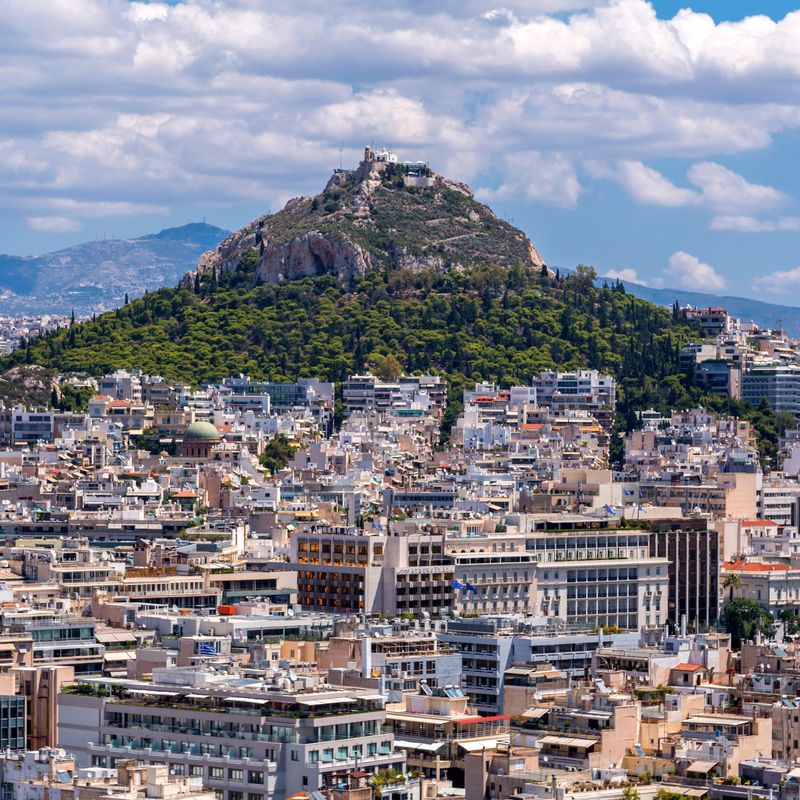
The recovery of real estate in Greece began after stagnant activity due to a decline in construction activity and a significant drop in prices during the financial crisis. Since the lowest point in the 3rd quarter of 2017, house prices have risen by almost 50%, but remain 14% below the all-time high reached in the 3rd quarter of 2008.
Demand for housing in Greece has increased due to several factors:
Economic recovery: The return of Greece's GDP to an upward trajectory after the financial crisis has created a more favourable environment for investors and property buyers.
Investment in residential real estate: Fund flows related to the Golden Visa and other investment programmes have increased significantly, attracting foreign investors to the real estate market.
Reduction of the ENFIA property tax: ENFIA is a property tax and its reduction has stimulated demand for housing.
Tourism and short-term rentals: Tourism growth in Greece has led to increased demand for short-term rentals, which has reduced the availability of property for sale and attracted investors.
Infrastructure projects and renovations: Major infrastructure and reconstruction projects at regional and local levels are also contributing to increased demand and property prices.
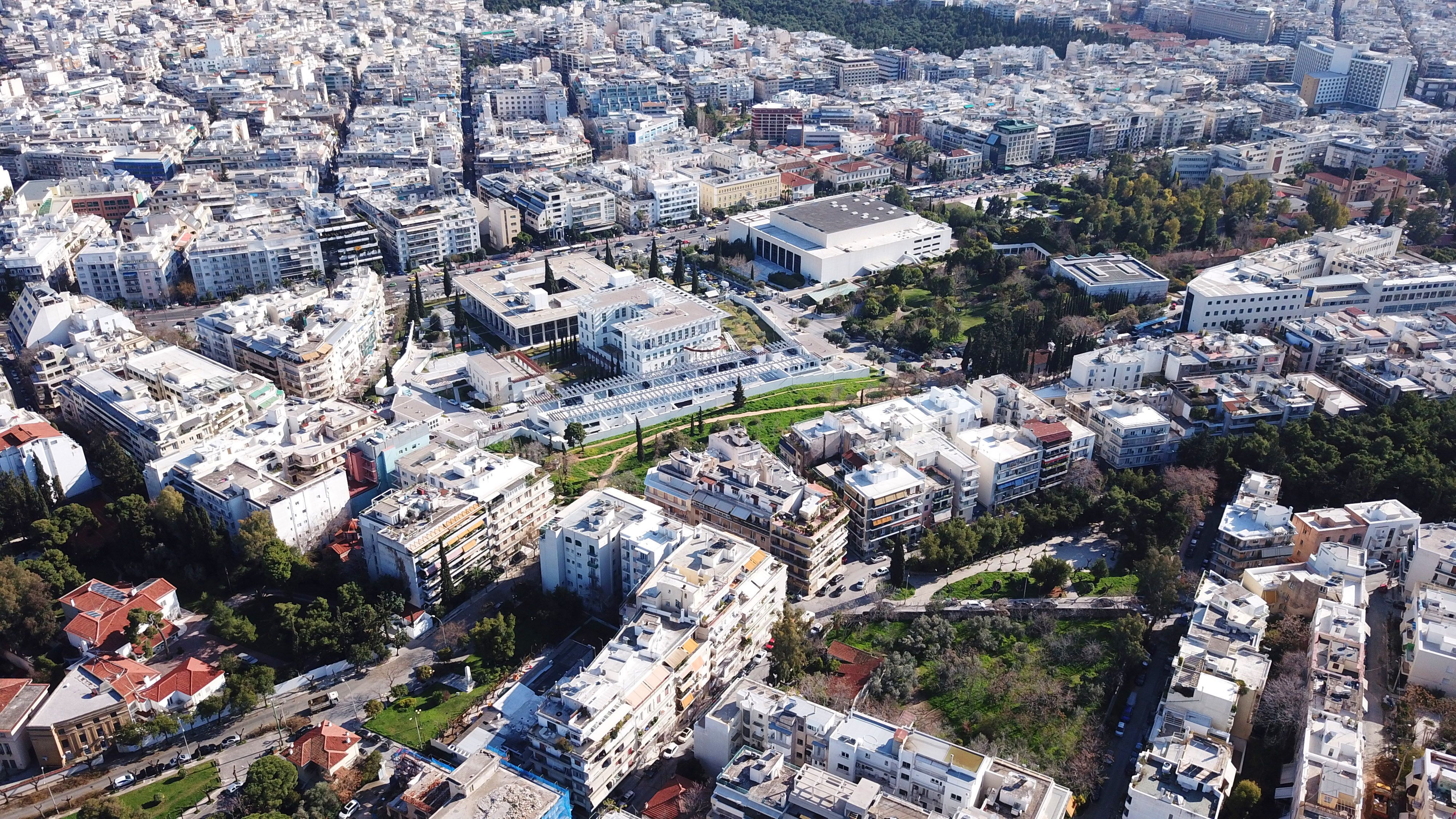
Given these factors, high construction costs and steady property demand are expected to continue to drive house price growth in Greece in the near future. The National Bank forecasts that market conditions of excess demand will continue to develop between 2023 and 2024, and together with the slow de-escalation of construction costs, this will lead to average house price growth of around 7% per annum over this period.
For the longer term, the National Bank estimates indicate a need for total investment of over €45 billion by 2030 in order to balance supply and demand in the housing market and achieve energy modernisation targets of approximately 10% of the existing housing stock.